
Uncover the myths surrounding casino gambling.
The Illusion of Guaranteed Wins
One of the most pervasive myths in the realm of casino gambling is the belief that certain strategies can guarantee wins. Many players cling to the notion that by applying various systems—such as the Martingale method or betting patterns—they can beat the house edge. However, these strategies often overlook a crucial aspect of gambling: the house always has an inherent advantage. Each game is designed to ensure that, over time, the fast withdrawal casino will profit, regardless of the strategies players employ. This fundamental truth can be difficult to accept for those who believe that careful planning can outsmart the odds.
This myth is further fueled by anecdotal stories of lucky winners who seem to have cracked the code to successful gambling. While it’s true that each game has periods where players may experience winning streaks, these occurrences are often short-lived. The randomness and unpredictability of games like slots, blackjack, and roulette mean that no strategy can guarantee a consistent win. Understanding the odds and the inherent risk involved is essential for anyone wishing to partake in gambling responsibly. Embracing the uncertainty of gambling can lead to a more enjoyable experience and mitigate the emotional rollercoaster that often accompanies chasing wins.
Moreover, this idea of assured wins can lead to dangerous gambling behaviors. Players may become overly confident and wager more than they can afford, chasing losses or believing they can outsmart the system. Such attitudes can not only lead to financial ruin but can also foster addiction. It’s crucial to approach gambling as a form of entertainment rather than a strategy for making money. Recognizing the importance of setting limits and sticking to a budget can transform gambling from a potentially harmful pursuit into a fun and engaging pastime.
The Myth of Skill-Based Games
Another common misconception is that skill-based games, such as poker, can be purely mastered through practice. While it’s true that skill plays a significant role in these games, luck remains an equally important factor. Players might develop exceptional strategies and techniques, but the element of chance—the cards dealt or the roll of the dice—can decisively influence the outcome of any given game. This blend of skill and luck is what keeps these games unpredictable and exciting. Players should appreciate the balance of both elements to enhance their gaming experience and avoid frustration.
Additionally, the belief that one can become a professional player solely based on skill often leads to unrealistic expectations. Many amateur gamblers enter tournaments with dreams of fame and fortune, yet only a small fraction ever achieves significant success. The competition is fierce, and even the most skilled players must contend with the unpredictability of luck. Recognizing this balance can help players maintain a more grounded perspective on their gambling experiences. By focusing on continuous improvement and enjoyment rather than merely winning, players can cultivate a healthier approach to competition.
Moreover, in skill-based games, the psychological aspect plays a critical role. Players must manage their emotions, understand the dynamics of their opponents, and make strategic decisions under pressure. The complexity adds depth to these games but also highlights the fact that no matter how skilled one becomes, the inherent uncertainty means that losses are inevitable. Embracing this reality can foster a healthier relationship with gambling. By focusing on personal growth and learning from each experience, players can turn setbacks into opportunities for improvement.
The Misconception of “Hot” and “Cold” Machines
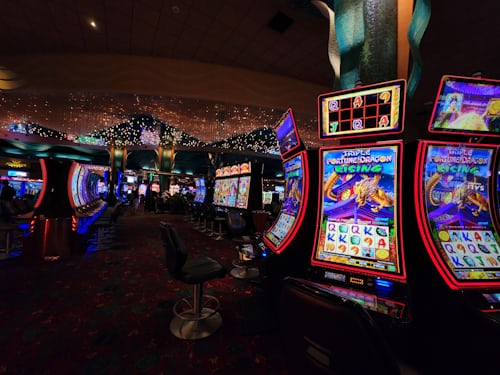
Many players believe in the idea of “hot” and “cold” machines, particularly in slot gaming. The thought process here is that certain machines are due for a payout after a series of losses, while others are on a winning streak. However, this belief is fundamentally flawed. Modern slot machines operate on random number generators (RNGs), ensuring that every spin is independent of the previous one. As such, there is no correlation between past results and future payouts. Understanding this concept is vital for players who wish to engage with slot games more meaningfully.
This misunderstanding can lead players to invest time and money in specific machines based on their perceived performance. It’s not uncommon to hear players discussing which machines are “due” for a win, pushing them to play longer in hopes of hitting a jackpot. This not only skews their gambling experience but can also result in unexpected financial losses as they chase a myth rather than understanding the random nature of the game. Realizing that every spin is a new opportunity allows players to approach the game with a fresh mindset, free from the weight of past outcomes.
Additionally, the casino’s design often capitalizes on this myth. The layout and placement of machines are strategically selected to maximize player engagement and encourage extended play. By understanding that the outcome of each spin is random, players can make more informed decisions about their gameplay, focusing on enjoyment rather than a futile pursuit of patterns that do not exist. This shift in perspective not only enhances the gaming experience but also promotes a more responsible approach to gambling.
The Belief That Casinos Are Rigged
One of the most damaging myths in casino culture is the belief that all casinos are inherently rigged against players. While it is true that casinos have a built-in house edge, this does not equate to outright dishonesty or corruption. Most licensed casinos are regulated and must adhere to strict guidelines that ensure fairness and transparency in their operations. This regulatory oversight protects players and ensures that games are conducted fairly. Understanding the integrity of regulated environments can help alleviate fears of being cheated.

This myth can deter new players from participating, as they may assume that any losses they incur are due to unfair practices rather than the natural risks associated with gambling. Understanding the mechanisms behind each game, including the odds, can clarify how casinos operate. For seasoned gamblers, knowledge of the house edge and proper bankroll management are essential in crafting a responsible gambling strategy. By educating themselves, players can enjoy their experiences with a greater sense of trust and confidence.
Furthermore, the perception of rigging often stems from personal experiences of losing streaks or bad luck. Players should remember that gambling, by nature, involves risk, and losses are an integral part of the experience. Realizing that luck plays a significant role can help alter this misconception and enable players to view losses through a more realistic lens, fostering a healthier approach to gaming. Such understanding not only enhances enjoyment but also encourages players to gamble responsibly, making informed choices based on reality rather than fear.
Building a Responsible Gambling Community
Understanding the myths surrounding casino gambling is essential, but it is equally important to promote responsible gaming practices. Many players enjoy gambling as a form of entertainment, and creating a community that encourages safe and responsible play can enhance everyone’s experience. Awareness programs and informational resources can equip players with the knowledge they need to make informed decisions, recognizing both the entertainment value and the risks involved. By fostering a culture of awareness, players can support one another in making healthier choices.
Furthermore, embracing responsible gambling can foster a culture of support among players. Engaging in discussions about experiences, strategies, and emotional management can help demystify the gambling world. By sharing insights and understanding the realities of luck versus skill, players can build a sense of camaraderie, reducing feelings of isolation or shame associated with losses. This supportive environment can lead to more positive experiences and a shared commitment to responsible play.
Additionally, promoting a safe gambling environment starts at the community level. Casinos and online platforms alike must prioritize player welfare, providing resources for those who may struggle with gambling addiction and ensuring transparency in gaming practices. By fostering a culture of responsibility and accountability, the gambling community can ensure that players enjoy their experiences while minimizing the potential for harm, allowing for a more sustainable approach to gaming. Through collective effort, players and operators can create a safer and more enjoyable gambling landscape for all.