
Exploring the thrill of live dealer games in casinos
The Emotional Landscape of High-Stakes Poker
High-stakes poker transcends being merely a game of cards; it evolves into a battleground of emotions where players navigate a complex web of anxiety, excitement, and tension. The significant financial stakes can amplify feelings of fear and anticipation, often pushing even the most experienced players into a heightened state of adrenaline. This emotional rollercoaster can lead to irrational decision-making, where players might chase losses or gamble beyond their comfort zones, often jeopardizing their overall strategy, especially in games like the 17 dollar neosurf casino that draw in high rollers. Understanding these emotional dynamics is crucial for both players and spectators, as it reveals the profound impact emotions have on strategies and outcomes.
The psychological pressure inherent in high-stakes poker frequently results in a phenomenon known as ’tilt.’ This state occurs when players act impulsively out of frustration rather than adhering to logical strategies. Tilt can be triggered by a series of unfortunate hands, unexpected losses, or significant bets that don’t pan out, leading players to abandon their rational approaches. Recognizing the onset of tilt is essential for maintaining composure, allowing players to regain their focus and return to a more calculated state of mind. This insight into the emotional landscape offers a glimpse into why some players excel under pressure while others struggle to cope.
Furthermore, the psychological well-being of a player is often put to the test during high-stakes games. The fear of judgment, the pressure to perform, and the need to project an image of confidence can create a challenging internal conflict. Many players turn to self-talk, visualization techniques, or mindfulness practices to bolster their confidence and manage anxiety. By examining these coping mechanisms, we can better understand how mental resilience and emotional regulation can provide a competitive advantage in the unpredictable and intense environment of high-stakes poker.
The Role of Psychological Strategies
In the realm of high-stakes poker, psychological strategies play a pivotal role as players seek to outmaneuver their opponents. One prevalent tactic is the use of deception, where players might engage in bluffing to create an illusion of strength or weakness. This art of bluffing heavily relies on the ability to read opponents, discerning their psychological state and predicting their reactions to various scenarios. Successful bluffing demands not only skillful play but also an acute awareness of the psychological nuances that govern human behavior at the table.
Additionally, players often engage in strategic mind games aimed at manipulating their opponents’ emotions. This may involve varying their betting patterns, adopting a calm demeanor, or even feigning vulnerability to provoke certain responses. By introducing ambiguity, players induce doubt and hesitation in their opponents, effectively capitalizing on psychological vulnerabilities. Such tactics emphasize that poker is not merely a game of chance but rather a complex dance of psychological warfare, where understanding the mental landscape of opponents can tilt the odds in one’s favor.

The importance of psychological preparation cannot be overstated in high-stakes poker. Players frequently dedicate extensive time to studying the game, analyzing past performances to refine their psychological strategies. By reflecting on how they responded under pressure, they learn to adapt their mental approaches for future games. This combination of psychological insight and strategic thinking can be the difference between victory and defeat in high-stakes environments, underscoring the intricate interplay between the mind and the game itself.
Coping with Loss and Failure
The nature of high-stakes poker inevitably confronts players with loss and failure, experiences that can significantly impact their mental state. For many, the emotional aftermath of losing a substantial amount of money can lead to turmoil and self-doubt. Understanding how players cope with these setbacks is essential for gaining insight into the psychological resilience required to thrive in such a high-pressure environment. Many players adopt a growth mindset, viewing losses as opportunities for learning and personal development rather than insurmountable obstacles that define their abilities.
Coping mechanisms differ widely among players. Some may opt to take breaks from the game, allowing themselves time to regain emotional equilibrium, while others may immerse themselves in practice or study to counter feelings of helplessness. The role of social support from fellow players or mentors cannot be understated; it often serves as a critical lifeline, offering reassurance and guidance during challenging periods. Leveraging a support network can foster a stronger psychological foundation, enabling players to bounce back from adversity with greater resilience.
Additionally, the concept of emotional detachment emerges as a crucial skill for high-stakes poker players. By learning to separate their self-worth from their performance, players can cultivate a healthier relationship with the game. This detachment allows them to make rational decisions uninfluenced by the weight of emotional baggage. Developing this mindset requires practice and self-awareness, but it can significantly enhance a player’s ability to perform under pressure, showcasing the vital role of psychological strategies in effectively navigating loss and failure.
The Influence of Group Dynamics
High-stakes poker often unfolds within a rich tapestry of group dynamics that can significantly influence individual players. The atmosphere at the table, shaped by the personalities and behaviors of all participants, creates a communal environment that can either enhance or detract from a player’s performance. Observing how players react to one another provides insights into their psychological states, creating opportunities for strategic advantage. For instance, a player exhibiting excessive confidence may become a target for aggressive plays, while someone displaying signs of anxiety might be seen as an easier target for exploitation.
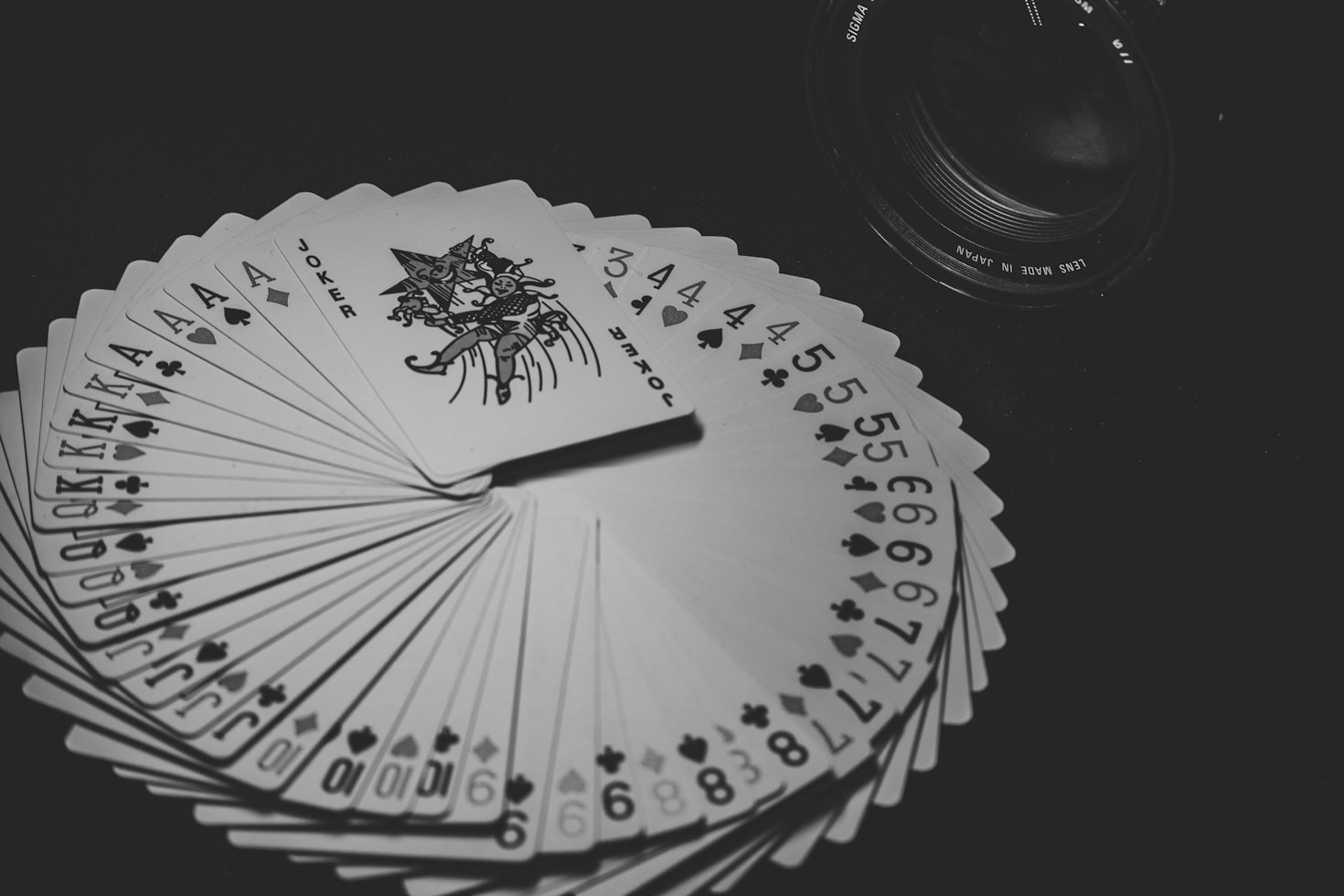
The power of perception in these dynamics is profound. Players often engage in social reading, subtly assessing the moods, confidence levels, and even the body language of their opponents. This keen observation allows them to gauge when to push forward or hold back in their strategies. Moreover, the social environment can heavily impact decision-making; the presence of more experienced players may intimidate less seasoned individuals, influencing their actions and choices. Understanding these group dynamics is essential for players aiming to navigate the intricate social complexities of high-stakes poker.
Moreover, the camaraderie that can develop among players introduces a double-edged sword. While networking and relationships within the poker community can provide emotional support and shared strategies, they may also impose pressure to perform at a high level. Players might feel compelled to uphold a particular image or meet the expectations of peers, which can complicate their psychological landscape. Balancing these social interactions with personal goals and performance necessitates a high degree of self-awareness and emotional intelligence in high-stakes settings.
Understanding Our Website’s Perspective
Our website is dedicated to exploring the multifaceted world of poker, with a particular focus on the psychological elements that shape gameplay. We recognize that high-stakes poker extends beyond mere skill; it embodies a complex interplay of emotions, strategies, and human behavior. Our mission is to delve into these psychological aspects, providing a comprehensive understanding that enriches the player experience and fosters a deeper appreciation for the game.
By addressing topics such as emotional resilience, strategic psychology, and group dynamics, we aim to equip players with the knowledge necessary to enhance their game. Our articles are designed to be both informative and engaging, ensuring that readers gain valuable insights into the often-overlooked psychological dimensions of poker. We believe that a deeper understanding of these elements can lead to improved performance and a richer appreciation of the intricate nature of high-stakes poker.
Ultimately, we are committed to nurturing a community of informed and thoughtful poker enthusiasts. Whether you are a seasoned player or a newcomer, our content is crafted to resonate with your experiences and elevate your understanding of the psychological intricacies that define high-stakes poker. Join us as we explore the mind games and emotional strategies that make this game so compelling and engaging for players around the world.